


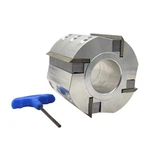
Circular Saw Blade
Why Choose Dongguan Kangmingjian Tool Co., Ltd.?
Dongguan Kangmingjian Tool Co., Ltd. was established in 2004 and is committed to providing customers with competitive, high-quality products and services. Since its establishment, the company has had a good environment for modern innovation capabilities. It is this environment that allows the company to develop rapidly.
Quality Assurance
Each batch of goods has a corresponding quality inspection report to solve your concerns about product quality.
Delivery On Time
We cooperate with professional sea shipping, air and logistics companies to provide you with the best transportation solution to ensure timely delivery of goods.
Wide Product Range
Our company seizes market opportunities and develops a series of practical products, technologies and solutions. The product categories continue to increase, the scope of the market network continues to expand, and it has gained wide market recognition and domestic and foreign market shares. The tool series produced by the company includes woodworking tools, woodworking milling cutters, spiral cutters, woodworking drill bits, alloy row drill bits, diamond tools, circular saw blades and a series of tool products for woodworking.
Professional Technical Team
The company has a group of engineering and technical talents with rich experience in producing woodworking tools. They use ultra-fine grain tungsten steel materials, CAD, 3D design, advanced turning and milling compound machine tools, and five-axis linkage grinder production processes to ensure the use of each tool. The company accepts customers' drawings and samples for customized production.
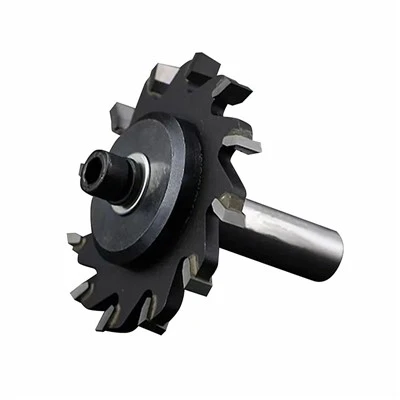


What is Circular Saw Blade?
Circular saws blades are strong cutting tools to cut wood, metal, plastic, concrete, and more. Any circular saw, however, is just as effective as the blade you use, and for the job you are working on, it is important that you choose an appropriate circular saw blade.
Diameter - Considered as a blade’s size. All circular saw blades, and even saws, are identified by this measurement. Diameter is the length between the tips of two teeth on opposite sides of each other. As the diameter increases, so does the need for a high-quality plate.
Arbor - Is the saw shaft where a circular saw blade is mounted. The arbor provides power from the motor to the blade. The blade’s center that mounts onto a saw’s arbor is called the bore, or arbor hole. Available in a variety of sizes, the larger the blade diameter, the larger the arbor hole. Always make sure the arbor hole snugly fits the saw’s arbor to avoid a wobbly blade and an extremely dangerous situation.
Tooth Grind - This is sometimes called the “bevel”. This is the blade’s specific tooth shape. The tooth shape is specifically optimized for the material it will be cutting.
Kerf and Blade Width - Kerf is the thickness of a cut that a blade makes, usually 3.175mm wide. Kerf width describes the blade thickness. The kerf width, the teeth’s vertical angle, and blade wobble determine a blade’s kerf. For smooth cuts when working with furniture, cabinets, and other fine woodworking applications, use thin kerf blades with many teeth with little-to-no angle.
RPM (Revolutions Per Minute) – This important safety information is to ensure that your saw’s maximum RPM is less than your blade’s maximum RPM.

Types of Circular Saw Blade
1. Ripping Blades
These blades are not designed to cut through a grain of the wood, but along with it. A few teeth, not more than 24, are distinguished by them. They have deep gullets and are ideal for the faster development of rough cuts.


2. Standard Circular Saw Blades
Standard circular saw blades are perfect for cutting hardwood & wood composites. The blade tooth helps to determine the rotating speed, and finishing cut. A circular saw blade with less tooth perform faster cutting, and a blade with more tooth provides a better finish.
Gullets present between the teeth helps to eliminate the wood chips from the workpiece. As it expands and contracts during use, expansion slots cut into the rim help prevent the blade from warping. They also minimize vibration, providing a smoother cut.
3. Rip-Cut & Cross-Cut Blades
Rip-cut wood grain cutting blades (along the length of a board) have fewer teeth, usually 16 to 40. The teeth are designed to cut aggressively, and effective chip removal is provided by deep gullets. Made for cutting through the wood grain (across the face of a board), the cross-cut blades are between 40 and 80 teeth long and are built for clean cutting. The teeth are separated by smaller gullets.
Both rip cuts and crosscuts can be made by combination blades. They have different teeth groupings separated by deep gullets. For ripping, each group has one tooth and four for crosscutting.


4. Continuous-Rim Blades
Continuous-rim blades are a kind of diamond-edged blade designed for use on materials such as tile and slate (sometimes called diamond blades). Diamonds attached to the blade's edge cut through the material.
Continuous-rim blades provide a very clean finish. Some operate only in dry-cutting applications, some are for wet-cutting applications and some can operate in any application.
5. Turbo-Rim Blades
They are similar to continuous-rim blades. Turbo-rim blades are diamond blades that have a serrated rim that cuts materials such as brick and concrete. These blades cut more powerfully than continuous-rim blades but don't leave as clean of a finish. Some work only for dry-cutting, while others are ideal for both wet and dry applications.


6. Abrasive Blades
Abrasive blades are used to cut hard materials such as concrete and stone. Like a metal-cutting 7 1/4 saw blade, some abrasive blades are acceptable. They don't have teeth, like the blades of diamonds. They are cut with an abrasive material such as aluminum oxide or carbide silicon.
Benefits of Circular Saw Blade
1- Wide Range of Sawing Applications
Circular saw blades consist of steel saw bodies with cermet and carbide-tipped teeth. The tips are then ground to match the application for which the blade is being used. Circular saws have a wide range of sawing applications such as: carbon steel, alloy steel, stainless steel, bearing steel, tool steel.
Mainly for heavy production applications. Some of these applications include:
Cutting sections
Metal tubing, rails, and pipes
Heavy-duty jobs such as these are specific to:
Solid metal bar industry
Steel pipe industry
The aluminum industry
2- High Cutting Rates, Low Energy Consumption, Low Material Losses
Longer life and faster cutting are the main reasons why a shop would switch to circular blades. Carbide-tipped blades start off sharper and remain sharp much longer than steel alternatives because of their great wear and heat resistance. A sharper edge means less chipping and shattering with the higher feed rates. You won’t have to change your blade as often, saving you time and money over the long term.
3- Less Vibration, Low Noise Level, Extended Blade Life, Superb Surface Finish
Circular saw blades generally create less vibration which will lower the noise level ultimately leading to a better surface finish of parts.
4- Increased Productivity
If you are tired of wasting money on saw blades with short life spans, circular saw blades are well worth the investment. Generally, they stay sharper for a more extended period. Making that dreaded blade change happen less often allowing the saw to stay running and your operator to focus on more important tasks.
5- Superb Surface Finish For Secondary Applications
Due to the durability and toughness of the blade, the edges can remain sharp for a considerable time. Only a sharp edge is capable of making smooth and clean cuts. The fact that cermet/carbide tips will stay sharp for a significant time will enable you to cut various applications smoothly. The precision cut of a circular blade helps to avoid kerf tear-out for smoother and more precise cuts. You spend less time fixing errors and finishing the surfaces all while minimizing your material waste.
6- Longer Blade Life, Less Downtime
Not only will you gain an advantage in cut times you also gain time from not changing a blade as often as your competitor. Let them change blades while your production jobs are going out the doors.
7- Hardened Blade for Repeatable Accuracy
Saw experts say it’s the ability to have fast and repeatable accurate cuts with a great surface finish. These saw blades are tough and capable of pushing through the material effortlessly.
8- Cermet or TCT Tooth
The circular blades come in Tungsten Carbide or Cermet tooth tips. If you are cutting low to high carbon steels, we recommend using a Cermet tip. It is a high heat resistance blade because of its ceramic properties but is very brittle. If cutting non-ferrous, bearing, tool steels, or stainless we recommend using our tungsten carbide tips with a coating. Tungsten is tougher against impact still has a high heat resistance (less than Cermet) and who could forget a longer life expectancy.
9- Coatings Available for Longer Life in TiAlN & TiN
Circular saw blade offers coating available for longer blade life. It creates less resistance and friction when cutting into materials leading to less material loss and a smoother finish.
10- No Burrs
Circular saws offer more cutting control than most blades, and you will need to change the blade based on the type and size of the material you are cutting. Additional advantages include:
Minimal burr production
Less discoloration
No more flood coolant (less of a mess and smell)
Mist oil allowing the blade to stay cool and lubricated
11- Fits a Wide Variety of Machines
No matter the manufacturer of your Circular/Cold saw, there has a blade for it. Whether you work in a small or large metal warehouse, machine shop, or a forge. circular blades can significantly benefit you. They last longer, produce better finishes, and are more versatile than standard saw blades. With a large variety of sizes, choosing the proper circular blade for your project is well within sight.
Application of Circular Saw Blade
Wood Cutting:
Material: Cutting solid and hard woods, as well as wood-based manmade materials such as plywood, MDF, and Oriented Strand Board (OSB).
Application:
Ripping – cutting in the direction of the grain
Crosscutting – cutting across the grain of the wood
Sizing - cutting sheet goods
Steel Cutting:
Material: Cutting mild steels and stainless steels*
Machines:
Steel cutting blades 8” diameter or larger must be used in low RPM stationary or handheld dry cut saws (not a chop saw).
Steel cutting blades smaller than 8” diameter can be used in specialty metal cutting saws (for optimal performance) or in traditional handheld framing circular saws.
Aluminum Cutting:
Material: Cutting blades for aluminum, copper, and brass, as well as for plastics (acrylic, Lexan, polycarbonate, etc.)
Machines:
Aluminum cutting blades can be used on traditional wood cutting saws.
Table saws, miter saws, and handheld circular saws. Do not use aluminum cutting blades on sliding compound miter saws.
Make sure the machine’s RPMs are less than the max RPMs advised for the blade.
Specialty Cutting:
Machines:
Specialty blades can typically be used on traditional wood cutting saws: Table saws, miter saws, and handheld circular saws.
Make sure the machine’s RPMs are less than the max RPMs advised for the blade.
Application: There are a wide variety of blades that are designed for niche materials that are difficult to cut with wood cutting or metal cutting blades.
How to Choose Circular Saw Blade?
Handheld circular saws, table saws and miter saws are common do-it-yourself tools that use circular saw blades. These blades are typically designed for cutting wood or wood composites. You can also find blades for circular saws, miter saws and table saws that cut plastic, vinyl and more.
As you’re looking at blades for these tools, keep these general tips in mind:
Blades with fewer teeth cut faster, but those with more teeth create a finer finish.
Gullets between the teeth remove chips from the work piece. Deeper gullets often mean more aggressive teeth and faster cutting.
Expansion slots help prevent warping as a blade heats and cools during use. They also reduce vibration, creating a straighter cut.
Other power saws also utilize circular blades, including:
Tile saws
Concrete saws
Chop saws
Grinders
Each type of circular saw blade is designed to cut different material and work with specific power saws. Be certain the blade you choose is suitable for the material you need to cut and that it fits your saw. Your saw manual should provide information on compatible blades, but here are some quick tips.
Handheld circular saws typically accept blades 4-1/2 inches to 7-1/4 inches in diameter. The teeth are often carbide tipped to stay sharp longer.
Tile saws most often use 7-inch or 10-inch diamond blades.
Table saws and compound miter saws use blades 8-1/4 inches or 10 inches in diameter. Like those for handheld saws, the blades are usually carbide tipped.
Miter saws are usually designed for 7-1/4-inch, 10-inch or 12-inch blades. These blades are also usually carbide tipped.
Circular saw blades for metal, such as those for use on metal-cutting chop saws — also called abrasive saws or cut-off saws — are often 14-inch aluminum oxide abrasive blades or carbide-tipped toothed blades.
Check the size of the arbor hole, or the hole in the center of the blade. It must fit the arbor or shaft on your saw. Some blades with a circular arbor hole include a piece you can knock out to allow them to fit saws with a diamond-shaped arbor.
Check the maximum RPM rating of the blade to make sure it’s compatible with the tool you plan to use.

How to Change Circular Saw Blade
The steps for changing a circular saw blade will vary by tool type. You should always refer to your saw manual for specific instructions on changing a blade, but here are some general tips for changing a blade on a handheld circular saw:
*Unplug the tool or disconnect the battery.
*Engage the blade lock button on the saw.
*Fit the included blade wrench onto the head of the blade stud or arbor. You may need to use the wrench to rotate the blade slightly to let the blade lock fully set.
*With the blade immobilized, turn the wrench counterclockwise to loosen and remove the stud and the outer blade washer.
*Carefully move the lower blade guard out of the way and remove the blade through the slot in the saw foot or base.
*Position the new blade to rotate in the correct direction and slide it up through the slot and onto the blade shaft, against the inner blade washer.
*Make sure the outer washer is in place and install the blade stud. Turn the stud clockwise by hand until it’s finger tight. Lock the blade and use the included wrench to tighten it slightly according to the manufacturer’s instructions (for example, 1/8 turn or to specific guide markings). Don’t overtighten.
Storage of Circular Saw Blade
When creating storage, consider: Convenience, function, and protection. Let them be your guide in creating storage. Whatever style storage you choose, always keep blades away from moisture and humidity. There are so many storage options available; you’re only limited by your creativity.
Hang blades individually on the wall with hooks.
Magazine-style storage rack: Basically, a wooden or metal frame mounted to the wall with slanted slots for blades. Great for storing high-end saw blades.
Slide-out CD-style box: Keeps blades safely concealed, organized, and accessible without them banging against each other.
Knife block: Similar to your kitchen block, but sturdy enough and with large slots to hold heavy blades.
Pull-out drawers: Build one into your saw table. Takes up minimal space and provides easy access.
In between jobs, rest blades on plastic or plywood. Never place your blades on cement or steel surfaces. It can dull the blade.
When storing, try to keep blades from rubbing against each other.


How to Sharpen Circular Saw Blade
If you need to sharpen a circular saw blade, take it to a professional. Sharpening some blades require specialty tools that most do-it-yourselfers don’t have. Attempting to sharpen other types of circular saw blades yourself risks ruining the blades.
To reduce the need to sharpen your blades, look for carbide-tipped blades. They’re more expensive than other blades, but they stay sharp much longer than steel or high-speed steel blades.

Our Factory
We have a complete factory production, quality supervision and delivery.
Our Certificate
At present, we have obtained the following certificates.

Ultimate FAQ Guide to Circular Saw Blade
Q: 1. What is a circular saw blade?
Q: 2. What are the different types of circular saw blades?
Q: 3. What is the best circular saw blade for cutting wood?
Q: 4. Can circular saw blades be sharpened?
Q: 5. How do I choose the right size circular saw blade?
Q: 6. What is the difference between a thin kerf and standard kerf circular saw blade?
Q: 7. What is the best circular saw blade for cutting metal?
Q: 8. Can circular saw blades be used on a table saw?
Q: 9. What is the best circular saw blade for cutting laminates?
Q: 10. Can circular saw blades be used on a miter saw?
Q: 11. What is the best circular saw blade for cutting plastic?
Q: 12. Can circular saw blades be used on a handheld grinder?
Q: 13. What is the best circular saw blade for cutting metal roofing?
Q: 14. Can circular saw blades be used on a jigsaw?
Q: 15. How do I clean and maintain a circular saw blade?
Q: 16. What is the difference between crosscut and rip blades?
Q: 17. How do I know when to replace a circular saw blade?
Q: 18. What is the best circular saw blade for cutting concrete?
Q: 19. Can circular saw blades be used on a reciprocating saw?
Q: 20. What is the best circular saw blade for cutting hardwood?