


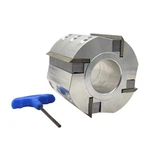
Woodworking Tools
Why Choose Dongguan Kangmingjian Tool Co., Ltd.?
Dongguan Kangmingjian Tool Co., Ltd. was established in 2004 and is committed to providing customers with competitive, high-quality products and services. Since its establishment, the company has had a good environment for modern innovation capabilities. It is this environment that allows the company to develop rapidly.
Quality Assurance
Each batch of goods has a corresponding quality inspection report to solve your concerns about product quality.
Delivery On Time
We cooperate with professional sea shipping, air and logistics companies to provide you with the best transportation solution to ensure timely delivery of goods.
Wide Product Range
Our company seizes market opportunities and develops a series of practical products, technologies and solutions. The product categories continue to increase, the scope of the market network continues to expand, and it has gained wide market recognition and domestic and foreign market shares. The tool series produced by the company includes woodworking tools, woodworking milling cutters, spiral cutters, woodworking drill bits, alloy row drill bits, diamond tools, circular saw blades and a series of tool products for woodworking.
Professional Technical Team
The company has a group of engineering and technical talents with rich experience in producing woodworking tools. They use ultra-fine grain tungsten steel materials, CAD, 3D design, advanced turning and milling compound machine tools, and five-axis linkage grinder production processes to ensure the use of each tool. The company accepts customers' drawings and samples for customized production.


What are Woodworking Tools?
Woodworking Tools are instruments for changing the size and shape of semifinished wood products and parts by cutting the wood and removing the shavings, either manually or by machine (lathes).
Woodworking tools are characterized by their cutting elements—their cutting angles and the shape of the cutting faces and blade. In addition, woodcutting machine tools have bracing parts, which come into contact with the corresponding parts of woodworking machines and lathes and serve to coordinate the position of the woodcutting tool in relation to the piece being worked and to transmit the cutting forces to the elements and units in the machines. The bracing parts vary for different woodcutting tools, but they all must provide safe operation and the necessary precision of operation.
Hot Hardness
Tool must be harder than the workpiece material. They should maintain its hardness and strength even at high operating temperature (tool-work interaction causes high-temperature field at cutting zone). Otherwise, the tool will break during the cutting process.
High Thermal Shock Resistance and Fatigue Resistance
They must withstand rapidly alternating temperature cycle during the cutting process.
Excellent Wear Resistance
Required an acceptable tool life before it is replaced.
Chemically Stable and Inert
Less soluble in workspace material and cutting fluid, corrosion resistant, oxidation resistant. Minimum adhesion and tool chip diffusion.
High Impact Strength
They must resist the impact force due to vibrations or any other interrupted cutting.

Different Types of Woodworking Tools

Cutter
Cutters are tools that are used to quickly and efficiently cut through wood. There are a variety of instruments for cutting wood in various ways, each with its unique characteristics. Some tools can be operated manually, while others require power.

Drill
Drills are specifically designed to drill holes in hard and soft wood and other materials, like particleboard, lumber and even soft metal, such as aluminium.
Woodworking drills involve the technique of drilling round holes in a stationary workpiece using a revolving cutting tool. Typically, the holes are drilled to accommodate machine screws or bolts for assembly. However, depending on the component's design, they can be employed for aesthetic purposes.

Grinder
Grinders are rented to clear and reduce fallen trees, branches, leaves, shrubs and other vegetation. A wood grinder uses blades or cutting disks to cut up or grind material placed inside of its hopper into smaller chunks or chips before discharging it from its discharge chute.
You can use grinders to cut through wood, metals, concrete and brickwork with ease, although they are also used for cutting through MDF and laminated flooring. As well as this, they can also be used to remove rust, sharpen blades or remove loose paint.

Hogger
"Hogging" is a process similar to sawing. With it, a clean cutting surface should be generated and the separated trimmings should be subsequently shredded into shavings for feeding to the extraction system.
Benefits of Woodworking Tools
Increased Efficiency
Woodworking tools are designed to save time and effort. Whether you’re cutting, shaping, drilling, or sanding, woodworking tools can significantly speed up the woodworking process. For example, a table saw can make quick and precise cuts, while an electric sander can smooth surfaces in a fraction of the time compared to manual sanding. These tools allow woodworking tools and machines to complete projects more efficiently, enabling them to take on more ambitious creations.
Precision and Accuracy
One of the significant advantages of woodworking tools is their ability to deliver precise and accurate results. With features like laser guides, adjustable depth settings, and built-in measuring systems, woodworking tools allow woodworkers to achieve consistent cuts and measurements. This level of accuracy is crucial, especially when working on intricate designs or complex joinery. Whether you’re creating furniture, cabinets, or decorative items, woodworking tools ensure that your pieces are constructed with precision.
Versatility and Flexibility
Woodworking tools offer a wide range of capabilities, providing woodworkers with the flexibility to tackle various projects. From handheld tools like routers and jigsaws to stationary tools like planers and band saws, the options are vast. This versatility allows woodworkers to experiment with different techniques, explore new design possibilities, and expand their skill set. woodworking tools also enable them to work with a variety of wood types and thicknesses, accommodating different project requirements.
Improved Safety Features
While woodworking can be rewarding, it also involves potential risks. woodworking tools, however, are designed with safety features that minimize accidents and injuries. For instance, many woodworking tools have blade guards, anti-kickback mechanisms, and automatic shut-off systems, ensuring woodworkers can work confidently without compromising their safety. Woodworkers often work in their homes or small workshops, these safety features are particularly important, promoting a secure and protected woodworking environment.
Time-saving Accessories and Attachments
Woodworking tools often come with a range of accessories and attachments that enhance their functionality and versatility. These accessories can include different blades, bits, jigs, and guides, specifically designed for various woodworking tasks. By utilizing these attachments, woodworking tools and machines can further streamline their projects, achieve specialized cuts, and experiment with unique designs. These additional options open up a world of possibilities and creativity for woodworking enthusiasts.
Application Of Woodworking Tools

Milling
Woodworking mills are the most commonly used tool for milling operations, and for good reason. These cutting tools are able to remove material quickly and efficiently, resulting in a smooth and accurate finish.

Drilling
Woodworking drills are essential for creating holes in wood materials. These cutting tools are able to withstand high temperatures and speeds, making them ideal for high-speed drilling applications.

Turning
Woodworking inserts are commonly used in turning operations, which involve rotating the workpiece while the cutting tool removes material from the surface. These inserts are able to withstand high temperatures and speeds, making them ideal for use in high-volume production environments.

Reaming
Woodworking reamers are used to enlarge and finish existing holes. These cutting tools are able to produce a smooth and accurate finish, making them ideal for applications that require tight tolerances.
In addition to these common applications, woodworking cutting tools can also be used for specialty applications such as thread milling, gear cutting, and broaching. woodworking cutting tools offer superior performance and longevity over other cutting tool materials, making them a popular choice for manufacturers in a variety of industries.
How to Choose Woodworking Tools
Define Your Project:
Clearly define the project you want to undertake. Determine the size, complexity, and specific features or details you want to incorporate into your furniture or carving.
Understand Your Skill Level:
Be honest about your woodworking skills and experience. Some tools are better suited for beginners, while others require more expertise.
Select Essential Tools:
For Furniture Making:
Measuring and Marking Tools: You'll need a tape measure, combination square, and marking gauges to measure and mark your wood accurately.
Cutting Tools: A good quality saw, such as a circular saw, table saw, or miter saw, is essential for making straight and precise cuts. A coping saw or jigsaw may be necessary for curved cuts.
Joinery Tools: Depending on your project, you may need tools for joinery like chisels, dovetail saws, and a router for creating mortise and tenon joints, dovetails, and more.
Sanding and Finishing Tools: Sanders, scrapers, and brushes for applying finishes will help you achieve a smooth and polished surface.
For Wood Carving:
Carving Tools: Invest in a set of quality carving tools, which include gouges, chisels, and knives. The specific shapes and sizes will depend on your carving style and project.
Mallet: A mallet is used to tap the carving tools for controlled carving.
Sharpening Tools: Proper sharpening equipment, such as sharpening stones or honing guides, is essential for maintaining the sharpness of your carving tools.
Safety Gear: Carving can be physically demanding, so consider using gloves and safety glasses to protect yourself.
Research and Learn:
Research the specific techniques and methods required for your project. Learning about the tools and skills needed for your project can help you make informed choices.
Consider Budget and Quality:
Balance your budget with the quality of tools you purchase. High-quality tools can be more expensive but often offer better performance and durability. Invest in the best tools you can afford.
Seek Recommendations:
Ask experienced woodworkers for recommendations on tool brands and models. Their insights can help you make informed decisions.
Start with the Basics:
If you're a beginner, start with the basic tools needed for your project. As your skills grow and you tackle more complex projects, you can gradually expand your tool collection.
Practice and Learn:
Practice using your tools on scrap wood before working on your actual project. This will help you become familiar with the tools and improve your woodworking skills.
Safety First:
Always prioritize safety when using woodworking tools. Wear appropriate safety gear, follow safety guidelines, and work in a well-ventilated and well-lit space.
How to Use Woodworking Tools Safely
Always Wear Safety Glasses and Gear
It’d be nearly impossible to do woodworking projects without your eyesight. It’d also be hard to work without your fingers and toes. Every part of your body has some sort of risk in a woodworking shop. Your first line of defense is wearing personal protective equipment, or PPE, like safety glasses and gear.
Your standard woodworking PPE must include safety eyewear. That can be safety glasses with side shields or even a full face mask in the right conditions. Make sure your eyewear meets OSHA standards, though. Inferior eye protection is a bad investment.
Your PPE kit should include hearing and respiratory protection. Ear protection ranges from earplugs to earmuffs. You should use respirators appropriate to your task. That might be a disposable dust mask when cutting lumber or a HEPA-filtered unit when working with toxic fumes.
Wear Appropriate Clothing
Appropriate clothing is also part of your personal protection kit. Your woodworking dress code should make it mandatory that what you’re wearing in the shop doesn’t present a danger on its own. Loose and baggy clothes are the worst offenders when it comes to getting snagged and tangled in moving equipment.
You’ll always want a balance of something comfortable and non-restrictive while not being overly hot and irritating. Long-sleeved shirts and full-length pants are safer than shorts and T-shirts. Safety clothing also extends to wearing gloves in the right conditions and always having appropriate footwear.
Avoid Wearing Jewelry
Woodworking shops aren’t the place for hanging chains or dangling pendants. They’re so vulnerable to catching in revolving blades or spinning belts. Having a neck chain or lanyard caught in a mandrel can be a life-threatening disaster.
If you do have a special piece of jewelry, make sure to keep it protected from tools. Tuck chains and lanyards out of sight. You’ll also want to assess if that watch you’re wearing or ring on your finger is hazardous in your shop. If you have the slightest doubt, take it off and pocket it.
Disconnect Power When Changing Blades or Bits
Servicing on any power tool or equipment piece that’s still energized is downright dangerous. You should always consider a plugged-in tool as a running tool. Every tool that’s energized is just waiting to expend its power, and you’re especially vulnerable when changing blades or bits.
Make sure you don’t just shut your tool off by the switch when switching bits or blades. Either unplug your tool’s primary cord or shut off the breaker at the power source. You can also lock out the power to be extra careful. But no matter how you do it, ensure you have completely de-energized your tool before servicing it.
Use Sharp Blades And Bits
It might sound counterintuitive, but sharp blades are safe blades. It’s the dull, damaged and worn-out blades that are dangerous. Sharp blades cut your wood fast and leave clean edges with few splinters to impale you. They also have less kickback, which is a hazardous part of woodworking.
The same goes for sharp drill bits. They don’t jam and bind like dull bits do. Buying high-quality saw blades and bits has a high return on investment. So does sending your blades and bits to a professional sharpening. Don’t let your cutting tools go dull at any time.
Check Wood for Nails
Reclaimed wood is a highly sought-after commodity. There’s something about the look and feel of aged wood people love. But, for the woodworker, there can be something highly dangerous lurking inside old wood: nails from the original woodworkers.
Make sure you always check wood for nails or other fasteners before you start using it. Visual inspections are fine, and you can probably catch embedded nails from telltale holes. However, your best bet if you handle a lot of reclaimed wood is getting a metal detector. Regardless of your system, make sure you catch old nails before they ruin your saw blades or cause you an injury.
Work Against the Cutter
Almost every experienced woodworker knows to work against the cutter. That means to bring your work to the cutting tool whenever possible. It’s safer to feed work against a stationary blade, rather than forcing it onto the work surface. Working against the cutter reduces the chance of dangerous kickback.
However, many novice woodworkers and occasional hobbyists don’t know this important safety tip. That’s because they’ve never learned to work against the cutter. It’s not something that seems natural and obvious. So the next time you’re in your shop, make sure to work against your cutting tools.

Our Factory
We have a complete factory production, quality supervision and delivery.
Our Certificate
At present, we have obtained the following certificates.

Ultimate FAQ Guide to Woodworking Tools
Q: 1.What are some woodworking tools?
Q: 2.What is an essential tool for a woodworker?
Q: 3.What is a wood boring tool?
Q: 4.What are woodworking tools used for?
Q: 5.What are the basic steps of woodworking?
Q: 6.What skills do you need for woodworking?
Q: 7.Why are woodworking tools important?
Q: 8.What are the advantages of woodworking?
Q: 9.What are the main advantages of using woodworking power tools?
Q: 10.What are the benefits of keeping tools clean?
Q: 11.What is woodturning?
Q: 12.What are the benefits of using a hand plane?
Q: 13.What is a band saw used for in woodworking?
Q: 14.What is wood carving?
Q: 15.How do I maintain my woodworking tools?